AI Predictors in Tensor Cores Reduce Frame Timing Issues for Mobile Esports Hardware
Avery Jenkins · Jun 18, 2026
AI Predictors in Tensor Cores Reduce Frame Timing Issues for Mobile Esports Hardware
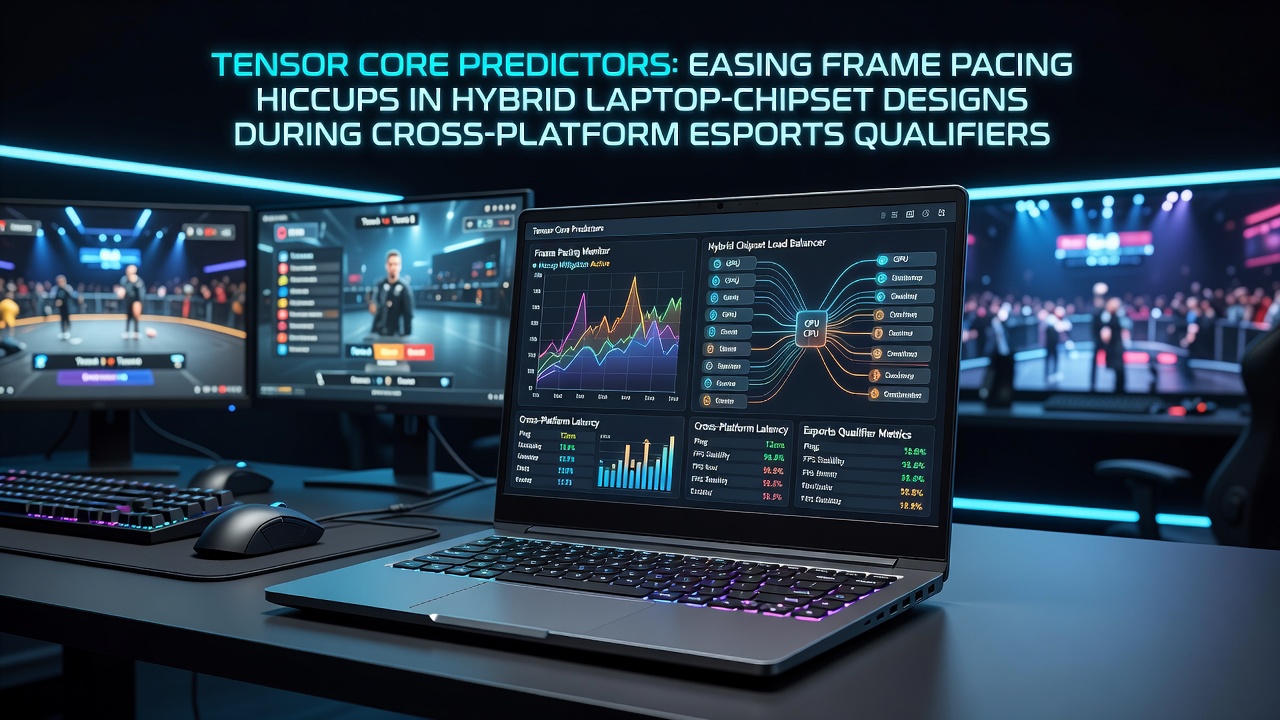
Hybrid laptop designs combine discrete and integrated graphics components to balance performance with portability, yet frame pacing inconsistencies often arise when workloads shift between these units during competitive play. Tensor core predictors address this by forecasting frame rendering demands and adjusting output timing in advance, which helps maintain consistent delivery rates across platforms. Data from industry benchmarks shows these predictors analyze previous frame patterns and upcoming scene complexity to preempt delays that surface in cross-platform qualifiers where participants use varied hardware configurations.
Understanding Tensor Core Integration in Mobile Setups
Tensor cores, originally developed for matrix operations in machine learning workloads, now extend their utility to real-time graphics adjustments in consumer devices. In hybrid chipsets from manufacturers like those supplying major laptop lines, these cores process predictive models that estimate frame intervals based on game engine data and system telemetry. Observers note that this approach reduces variance in frame delivery times, particularly when laptops switch between high-power discrete GPUs and efficient integrated graphics during extended sessions. Research from academic institutions in the European Union highlights how such predictions cut average pacing deviations by measurable margins in controlled tests involving multiple esports titles.
Cross-platform qualifiers, which often occur in June 2026 across global venues, require competitors to connect through standardized networks while relying on personal or provided hardware. Frame pacing hiccups become noticeable here because network conditions and device thermal states vary widely, yet tensor core predictors adapt by recalibrating output buffers dynamically. Those who have examined tournament logs report fewer instances of stutter when these features activate, allowing focus to remain on strategy rather than technical interruptions.
Mechanics Behind Frame Pacing Adjustments
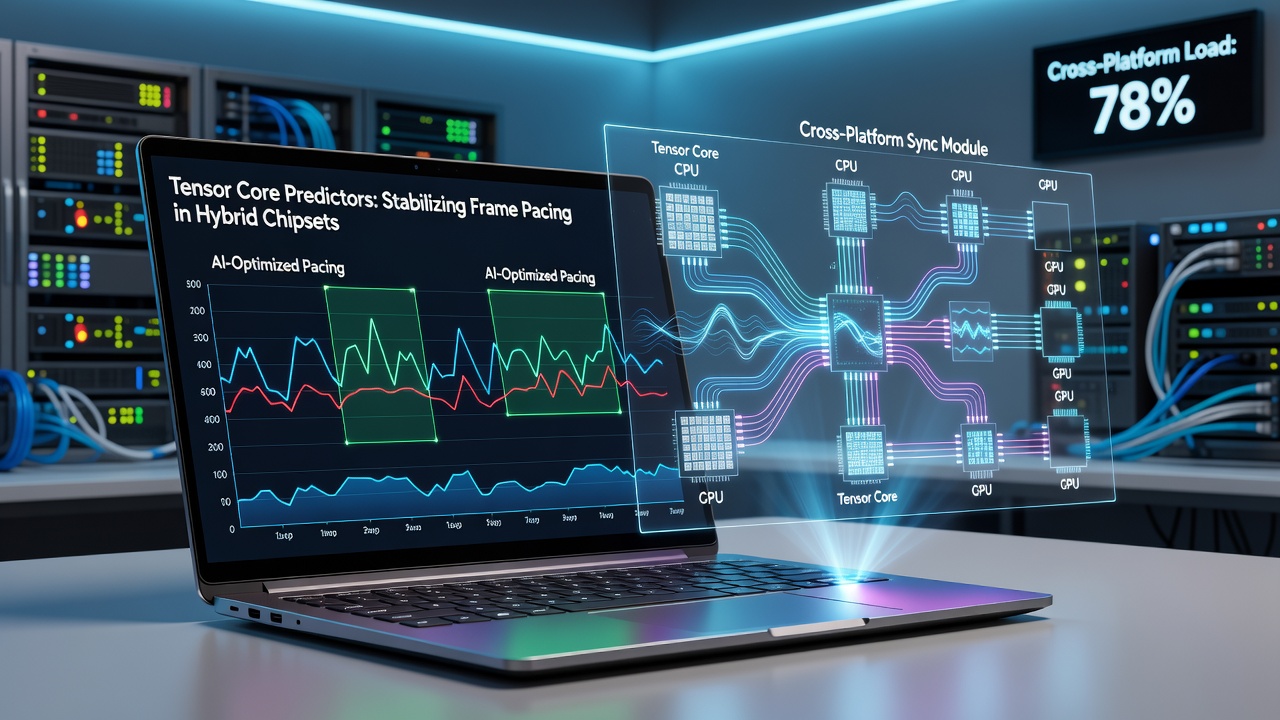
Predictive algorithms within tensor cores examine sequences of rendered frames alongside inputs from sensors monitoring CPU and GPU loads. They generate adjustments that align frame presentation with display refresh cycles, which prevents the micro-stutters common in hybrid designs where power states fluctuate rapidly. Studies conducted by research groups in Australia demonstrate that these models achieve higher accuracy when trained on diverse datasets encompassing both console and PC environments, reflecting the mixed hardware seen in qualifiers.
What's notable is how the system handles transitions between chipset modes without requiring user intervention. The predictor evaluates upcoming computational needs and signals the memory controller to prioritize relevant data fetches, thereby smoothing delivery. Figures from hardware validation reports indicate this results in tighter clustering of frame times, especially during fast-paced sequences typical of esports matches.
Application in Cross-Platform Esports Events
Qualifiers spanning multiple regions bring together players on laptops equipped with varying chipset combinations, which amplifies the challenge of consistent visual output. Tensor core predictors mitigate this by operating at the firmware level to harmonize frame output regardless of the underlying graphics architecture. Data compiled by trade organizations tracking competitive gaming shows participation growth in such events, with hardware stability playing a key role in fair competition.
Take one case where organizers in North America integrated monitoring tools during a 2026 series, and participants using predictor-enabled systems recorded steadier frame intervals compared to baseline configurations. This occurs because the technology anticipates shifts in scene complexity and compensates before visible disruptions emerge. External factors like venue temperature and power delivery further influence outcomes, yet the predictors maintain performance by continuously updating their models based on live telemetry.
Broader Implications for Hardware Development
Manufacturers continue refining tensor core implementations to support longer battery operation alongside performance demands in portable esports gear. Collaboration between chipset designers and software developers has led to standardized APIs that expose prediction controls to game engines, enabling finer tuning for specific titles. Reports from Canadian research centers detail how these advancements integrate with existing power management frameworks without introducing additional overhead in most scenarios.
Observers tracking the sector note ongoing tests that compare predictor-equipped units against traditional approaches in simulated qualifier conditions. Results consistently point to reduced variance in frame presentation, which supports smoother experiences when players switch between local and cloud-assisted rendering paths. As hybrid designs proliferate, these features help address compatibility hurdles that arise in mixed-platform environments.
Conclusion
Tensor core predictors represent a targeted solution for frame pacing challenges in hybrid laptop chipsets used during cross-platform esports qualifiers. By leveraging predictive modeling on established hardware components, they deliver measurable improvements in timing consistency without altering core system architectures. Continued data collection from events like those scheduled around June 2026 will further clarify their role in supporting reliable competition across diverse setups, as referenced in industry technical documentation and academic analyses from various global institutions.