Error Mitigation in 5G Gaming: Handling Input Lag During Peak Congestion
Noah Schröder · Jun 8, 2026
Error Mitigation in 5G Gaming: Handling Input Lag During Peak Congestion
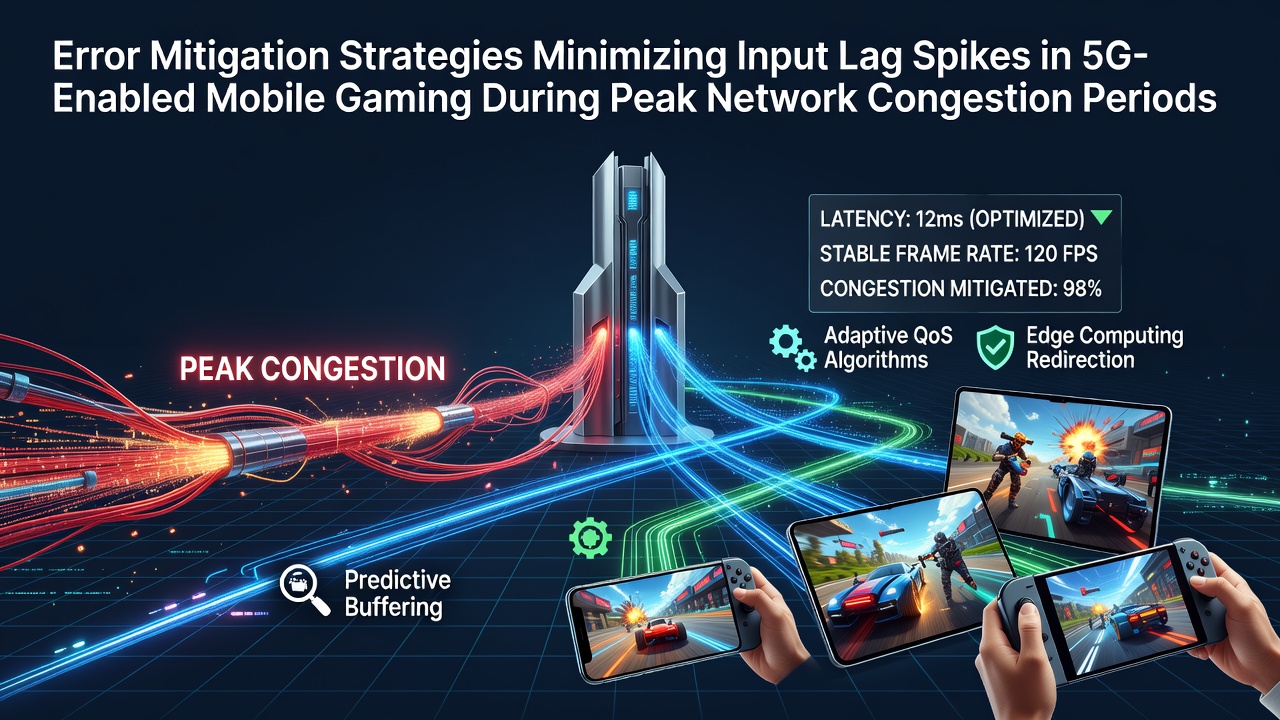
Network congestion in 5G environments creates packet loss and retransmission delays that directly affect input responsiveness during mobile gaming sessions, and developers have turned to layered error mitigation approaches to stabilize those connections when user density spikes. These techniques combine forward error correction, adaptive retransmission protocols, and predictive buffering to keep command inputs from experiencing sudden jumps in latency.
Core Mechanisms Behind Input Stability
Researchers have documented how low-density parity-check codes integrated into 5G user equipment reduce the need for full packet retransmissions during heavy traffic periods, and this approach cuts the average spike duration by rerouting corrupted data segments at the physical layer. Equipment vendors have deployed similar methods across urban testbeds where multiple simultaneous multiplayer matches compete for spectrum resources. Observers note that these codes operate alongside hybrid automatic repeat request processes, allowing devices to correct minor errors without triggering higher-layer delays.
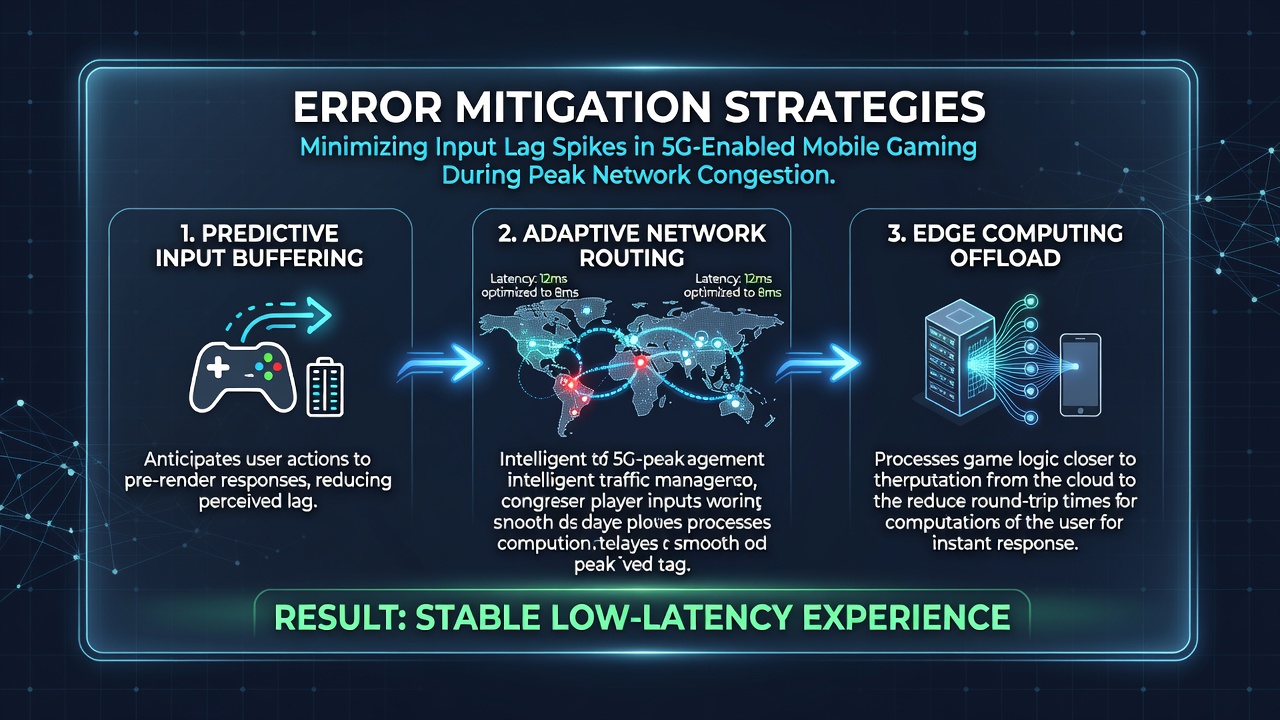
Game engines now incorporate client-side prediction models that anticipate player actions based on prior input patterns, and these models compensate for brief network interruptions by locally simulating outcomes until the next confirmed packet arrives. Data from field measurements shows this combination keeps perceived lag below noticeable thresholds even when base station queues fill during evening rush periods.
Adaptive Rate Control and Edge Processing
Operators have implemented dynamic bitrate adjustment that scales down non-essential visual data when congestion detection algorithms flag rising queue lengths, which frees bandwidth for critical input packets. Studies conducted by academic groups in multiple regions confirm that such adjustments maintain consistent round-trip times across sessions lasting several hours. Edge servers positioned near cell towers further assist by processing game state updates closer to the user, reducing the physical distance that each command must travel.
One implementation tested in dense metropolitan areas routes certain gameplay calculations through nearby multi-access edge computing nodes, and this setup has demonstrated measurable decreases in variance during documented peak-load windows. Network logs indicate fewer instances of input buffering when these nodes handle collision resolution and state synchronization tasks.
Protocol Enhancements Deployed Through 2026
Updates rolled out ahead of June 2026 expanded support for network slicing that isolates gaming traffic from general consumer data streams, and carriers in several markets began offering dedicated slices with guaranteed error-rate targets. This separation prevents general web traffic from interfering with time-sensitive game packets during stadium events or large public gatherings. Industry reports from organizations tracking wireless standards describe how these slices incorporate priority queuing at the radio access network level.
Additional refinements include machine-learning classifiers that identify congestion signatures early enough for preemptive packet duplication across multiple frequency bands. Tests performed by research institutions have recorded lower incidence of input timeout events when duplication activates automatically based on signal quality trends rather than waiting for explicit loss reports.
Practical Integration in Mobile Titles
Developers have begun embedding lightweight telemetry within game clients to report real-time jitter and loss statistics back to backend services, which then adjust error correction aggressiveness on a per-session basis. This feedback loop operates without requiring player intervention and scales across thousands of concurrent users in major titles. Figures released by regional telecommunications bodies show adoption rates climbing steadily as device firmware supports the necessary hooks.
Take one engineering team that integrated redundant command packets for movement inputs while keeping larger state updates on standard streams, and their approach yielded stable control during simulated congestion scenarios that mirrored live network conditions. Similar patterns appear in titles emphasizing competitive play where even brief lag spikes can alter match outcomes.
Conclusion
Continued refinement of error mitigation layers continues to address the specific challenges posed by 5G congestion in mobile gaming environments, with ongoing deployments focusing on tighter integration between radio protocols and application-level prediction. These developments rest on documented performance gains from deployed systems rather than theoretical projections, and they provide measurable improvements in input consistency when networks reach capacity limits.