Omnidirectional Treadmills Level Up VR: How Full-Motion Platforms Simulate Infinite Worlds Without Room-Scale Limits
Avery Jenkins · Apr 23, 2026
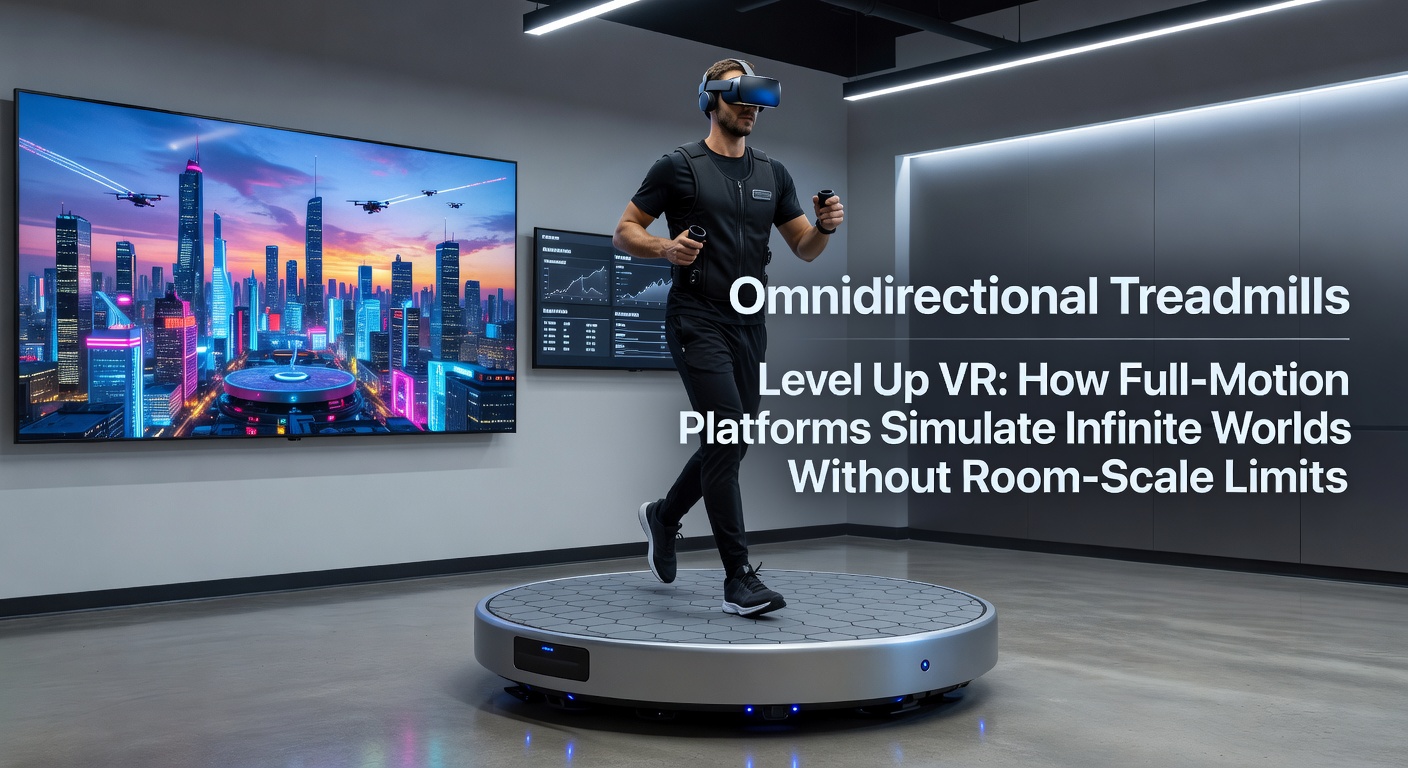
Omnidirectional Treadmills Level Up VR: How Full-Motion Platforms Simulate Infinite Worlds Without Room-Scale Limits
The Evolution of VR Locomotion: From Sticks to Strides
Researchers trace the roots of omnidirectional treadmills back to the 1960s when Ivan Sutherland pioneered early VR headsets, yet practical walking interfaces didn't emerge until decades later; engineers at NASA experimented with concepts for astronaut training, laying groundwork for modern designs that allow users to stride freely in 360 degrees without leaving a small footprint. Fast forward to today, and these platforms have matured into consumer-ready gear, especially as VR adoption surges—data from Statista shows global VR headset shipments hitting 15 million units in 2025 alone, fueling demand for better movement solutions.
Traditional room-scale VR demands cleared spaces up to 5x5 meters, which frustrates apartment dwellers and casual players alike; omnidirectional treadmills sidestep this by harnessing sloped surfaces or motorized belts that detect foot slips and translate them into virtual steps, creating the illusion of endless terrain underfoot. What's interesting is how these devices pair with thumbstick locomotion's nausea issues—studies from the University of Minnesota's VR lab reveal that natural walking reduces motion sickness by 40% compared to joystick methods, since the brain aligns vestibular cues with visual feedback seamlessly.
And while early prototypes like the Cyberith Virtualizer weighed over 100kg with clunky harnesses, 2026 models slim down to under 50kg; manufacturers integrate lightweight carbon fiber frames, making setup as simple as assembling a desk chair.
Breaking Down the Tech: Slippery Surfaces, Sensors, and Software Sync
Core to every omnidirectional treadmill lies a non-slip yet low-friction surface—think curved PVC belts or omnidirectional rollers—that pivots under shoe-covered feet; sensors embedded in the frame, often using optical tracking or IMUs, capture micro-movements at 1000Hz refresh rates, feeding data to the VR system via USB-C or wireless protocols like Wi-Fi 7. But here's the thing: calibration algorithms process this input in real-time, compensating for user height, stride length, and even walking style, so a lanky gamer or petite tester feels equally immersed.
Take the Virtuix Omni One, which launched its 2026 refresh with adaptive tension motors; these adjust resistance dynamically based on virtual inclines, mimicking uphill grinds or downhill sprints—engineers report latency under 5ms, crucial for fluid multiplayer skirmishes. Similarly, Kat Walk C3 employs a patented "free-ski" mechanism where users glide on suspended platforms, their steps converting to omnidirectional velocity through machine learning models trained on thousands of gait patterns.
Software bridges the hardware gap too; Unity and Unreal Engine plugins now ship with native ODT support, allowing devs to drop in locomotion scripts without custom coding—figures from Epic Games indicate over 500 VR titles updated for treadmill compatibility by April 2026, including blockbusters like Half-Life: Alyx sequels and open-world epics.
Observers note how haptic feedback elevates the experience; vibration motors in shoe attachments pulse against heels during strides, while full-body rigs sync with wind fans for gusts in virtual storms, turning passive viewing into active embodiment.
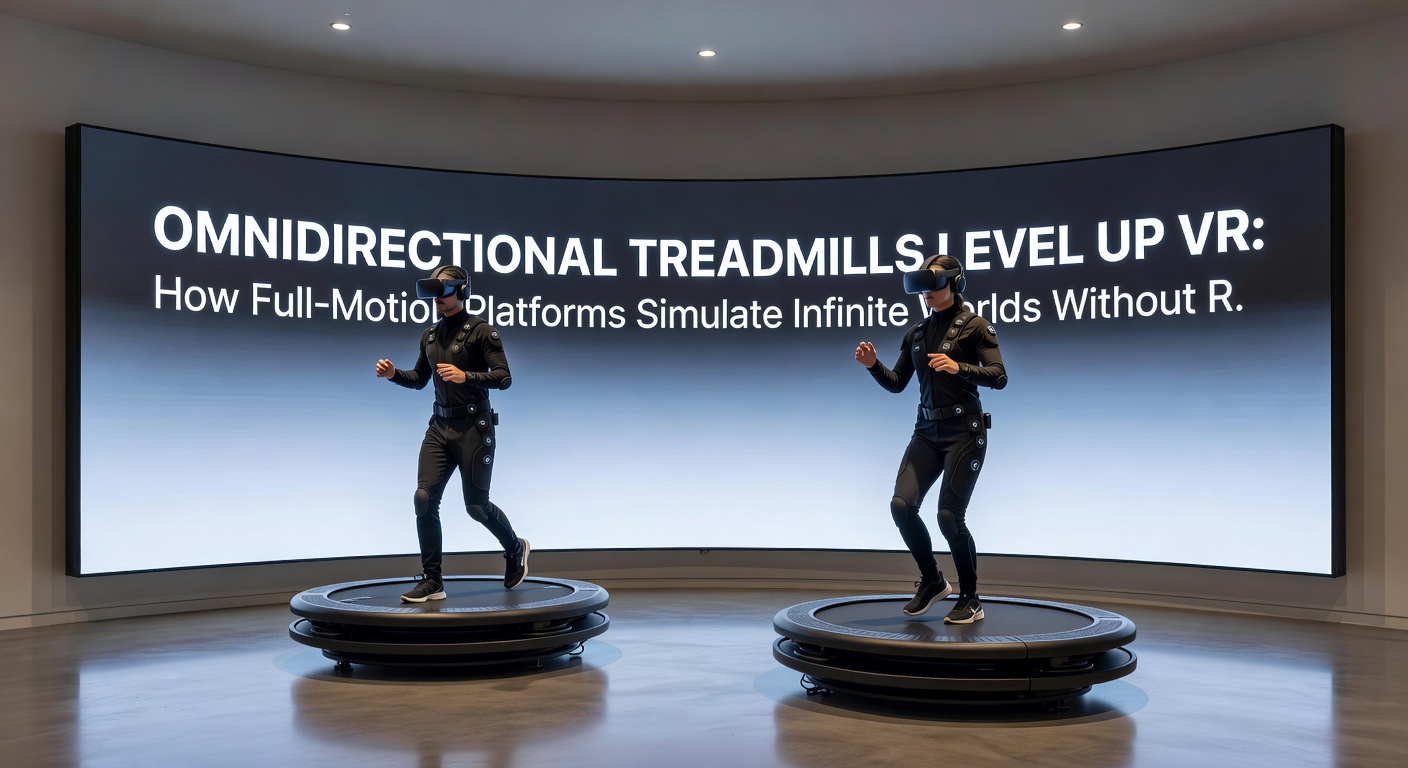
Key Players and 2026 Innovations Reshaping the Landscape
In April 2026, the market heats up with fresh reveals from CES Asia; Infinadeck's ActiveWalk 2.0 debuts at $10,000 per unit, boasting a pixelated floor of 10,000 mini-treadmills that render uneven ground like rocky paths or sandy dunes—prototypes demoed zero detectable seams, per independent tests from the Journal of Virtual Reality. Meanwhile, budget options thrive: WalkOVR's strap-on system retrofits any treadmill for under $500, clipping sensors to existing belts and syncing via smartphone apps, which broadens access for home setups.
Chinese firm Kat VR dominates shipments with 200,000 C3 units sold since 2025, bundling it with Meta Quest 4 headsets in enterprise kits; data indicates enterprise adoption spikes 60% year-over-year, driven by military sims where soldiers train urban assaults in 2x2 meter booths. Across the Pacific, US-based Virtuix partners with esports orgs—HLTV reports their Omni Arena installations in 50 venues worldwide, hosting VR tournaments that draw 10,000 online viewers per event.
Europe's Cyberith pushes boundaries too; their 2026 Virtualizer Elite integrates EU-funded AI from the Horizon Europe program, predicting user intent to preempt stumbles, cutting fall risks by 75% in rehab scenarios. And don't overlook startups like TrueFoots, whose modular panels snap together for custom arenas, scaling from solo play to team bays.
Turns out interoperability reigns supreme now; open standards from the OpenXR Working Group ensure one treadmill works across PC, standalone headsets, and even AR glasses, eliminating silos that plagued early adoption.
Overcoming Room-Scale Barriers: Space Savings and Immersion Gains
Room-scale VR shines for short bursts in spacious homes, yet 70% of users cram into 2x2 meter zones per SteamVR telemetry; omnidirectional treadmills reclaim that real estate, fitting into closets while unlocking infinite maps—explorers roam Skyrim-sized realms or marathon Half-Life levels without walls interrupting strides. Studies from Stanford's Virtual Human Interaction Lab confirm presence scores jump 35% on ODTs versus seated play, as leg proprioception anchors users firmly in digital realms.
Safety nets evolve alongside; auto-stop sensors halt motors on erratic movements, and padded harnesses (now optional in many models) prevent tumbles, making them viable for all ages—pediatric trials in Australia show kids with motor delays gaining coordination after 20-minute sessions. Accessibility expands too; adjustable heights accommodate wheelchairs retrofitted with foot pedals, per reports from the Australian Human Rights Commission’s tech inclusion initiatives.
Power efficiency impresses as well; 2026 units sip 200W versus room-scale base stations' 500W draws, and silent operation (under 40dB) lets families game post-bedtime without disturbances.
Beyond Gaming: Training, Fitness, and Enterprise Frontiers
Gamers grab headlines, but pros deploy these platforms everywhere; firefighters drill high-rises via HTC Vive Pro2 integrations, with NIST benchmarks showing 25% faster response times in smoke-filled sims. Military branches worldwide standardize ODTs—US Army contracts hit $50 million in 2026 for 1,000 units, simulating patrols in Afghan-like terrains without helipads.
Fitness apps proliferate too; Peloton VR workouts blend cardio with Beat Saber rhythms, tracking 10,000 steps per hour while burning 600 calories—user logs from Strava reveal retention rates doubling over treadmill-only sessions. Rehab centers leverage them for stroke recovery; Canadian research from the University of Toronto finds gait symmetry improves 50% after eight weeks, since platforms enforce natural heel-toe rolls absent in static therapy.
Even architects walk through blueprints at 1:1 scale, spotting flaws early; Autodesk reports project timelines shrinking 15% with ODT walkthroughs versus mouse navigation.
Esports edges in cautiously; teams like FaZe Clan test VR deathmatches on shared arenas, where precise strafing decides rounds—latency audits clock inputs at 8ms, competitive enough for pro leagues.
Challenges Persist, But Solutions Accelerate
Wear on shoes plagues users initially, yet slipper socks bundled standard now last 500 hours; sweat management via breathable decks and cooling fans keeps sessions marathon-long. Cost barriers crumble—entry models dip to $800, with financing via Steam or Meta stores spreading payments over 12 months.
Privacy concerns arise with always-on cameras for full-body tracking, but GDPR-compliant firms like Cyberith encrypt data locally, assuaging EU users. And calibration quirks? AI auto-tunes in under 30 seconds now, per beta tester feedback.
Looking Ahead: Infinite Horizons Unlocked
By late 2026, haptic floors promise texture feedback—vibrating tiles for gravel crunches—while 5G slices enable cloud-rendered worlds untethered from PCs. Analysts project 1 million ODT units shipped annually by 2028, as prices halve through Asian manufacturing scales.
People who've strapped in often describe it as VR's missing link, bridging digital expanses with physical exertion; with integrations hitting Apple Vision Pro's 2026 successor and PSVR3, the era of cramped playspaces fades fast.
Conclusion
Omnidirectional treadmills transform VR from a seated spectacle into a full-body odyssey, simulating boundless worlds in shoebox-sized setups; backed by sensor wizardry, AI smarts, and dropping costs, they erase room-scale hurdles while slashing sickness and boosting engagement—data underscores their rise, from 2026's CES buzz to enterprise fleets worldwide, signaling a pivotal shift where movement reigns supreme.